故事发生在泰国一所高中,描述转学生佩伊与班上的风云人物乔两人在因缘际会下成为了好友。然而,当乔向佩伊提到人的一生只能交到150个真正的朋友时,此番说法却激怒了佩伊,两人因此不欢而散,没想到,乔却在隔天因为一场车祸意外离世……为了纪念好友乔,佩伊决定邀请全校同学共同拍摄一支短片,然而,随着计划进行,众人发现佩伊拍摄视频的动机并未像表面如此简单,究竟是为了提升个人形象?还是为了增加让自己上好大学的机率?佩伊发起这次热血行动背后的秘密即将揭晓。
本片内容跨越了半个世纪,真实而深刻的记述了德蕾莎修女秉持著对上帝的信仰与奉献的精神,发扬人性至善的光辉,超越国界与藩篱,给予数以百万计贫困苦难的人带来 希望与尊严慈悲的恻隐之心,无怨无悔的照顾无依无靠的人们,让他们知道有人关心著他们,她抚慰了苦难人的心,发扬了信、望、爱的至高精神,为那些弃婴、麻疯病人以及比穷人还穷的人们默默付出,鞠躬尽瘁。 德蕾莎修女生平记事: 德蕾莎修女生于一九一Ο年八月二十六日南斯拉夫,阿尔巴尼亚人。 一九二八年派调印度加尔各答洛瑞图修道院。 一九四八年因深感受印度贫民的苦况,而走出修道院济世救人。 一九五Ο年获教宗特准,成立了 仁爱传教修女会。 一九九七年六月在华府接受美国政府颁赠国会自由奖章。 一九九七年九月五日因心脏病发,逝世于加尔各答,享年八十七岁。
入围2020年釜山电影节当代韩国电影单元
一位寻求灵感的年轻作家在得知祖母去世的消息后,发现自己开始挖掘自己被遗忘的生活。
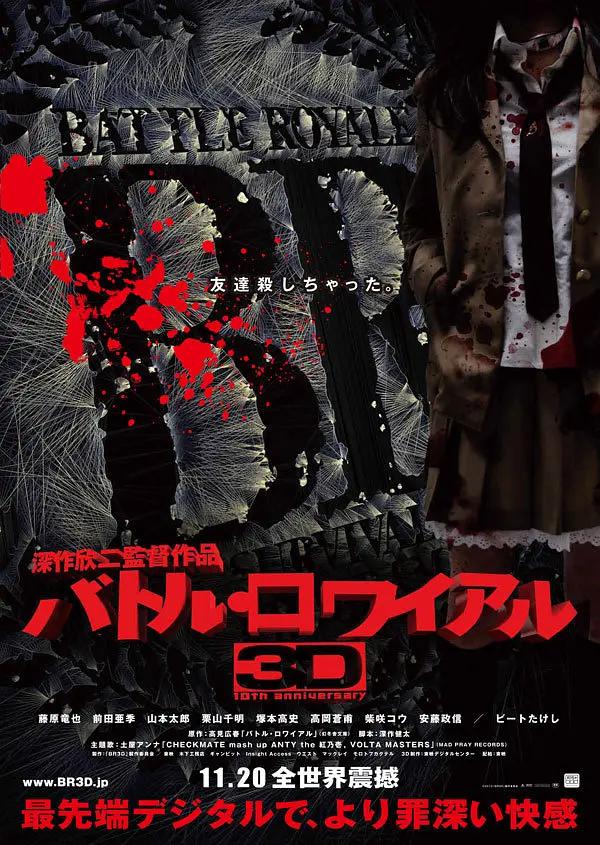
为了培养出忠实效忠于成人、在逆境中坚忍不拔的青少年一代,日本政府出台《BR》法案。每年都从全国学校随机抽出一个班级的同学,前往荒岛进行生存极限挑战——老师发给学生地图、粮食和各式武器,令他们自相残杀,直到存活下来的最后一个,才能离开荒岛。接下来,残酷的游戏规则和令人绝望的生存条件,使班级里的年轻人开始了相互杀戮。善良或者凶残,主动出击或者被动防守, 同学们开始了各自的计划,人性的丑恶在血腥的死亡中暴露无遗。 大逃杀的游戏在荒岛上壮烈上演。究竟学生们的宿命如何,谁才是最后的存活者。
咖啡厅里的私情
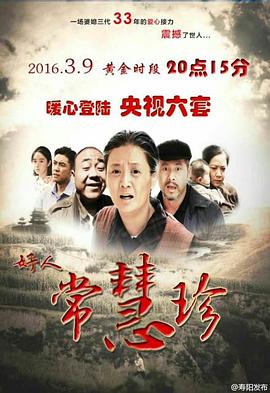
电影《常慧珍》是一部弘扬主旋律、传 递正能量的作品,该片由中共寿阳县委、寿 阳县人民政府、北京慧迪文化传播公司联合 出品,根据寿阳县温家庄乡大东庄村常慧珍 老人的真人真事改编而成。影片原型常慧珍
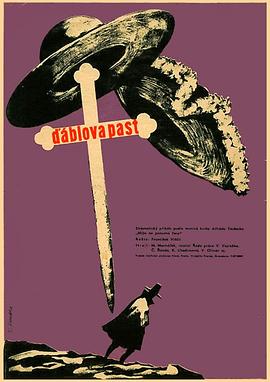
In the time of Counter-Reformation, a miller and his son come under investigation by a priest of the Inquisition, when rumors spread that their prosperity comes from working with the Devil. The Devil's Trap is a film directed by František Vláil, based on a novel by Alfréd Technik, adapted by František A. Dvorák and Miloš Kratochvíl. It was the first of three historical dramas that Vláil made during the Czech New Wave (technically he isn't really a part of the New Wave, however these films were made during the same era of artistic freedom), preceding his more well known Marketa Lazarová (1967) and Valley of the Bees (1968). Set in the late 16th Century during the Catholic Reformation, in the Moravian Karst, situated in what is now the Eastern Czech Republic, it tells the tale of a miller (Vítezslav Vejrazka), and his son Jan (Vít Olmer), who come under suspicion and are investigated by a Jesuit priest of the Inquisition (Miroslav Macháchek), when rumors of witchcraft are spread by the local regent (Cestmír Randa), who is jealous of the miller's prosperity and degree of respect among the local populace. As expected from Vláil, this film is a stunning experience all the way through. From the opening shot, an ominous manipulation of perspective with a close up of a mangled figure of Christ dominating the foreground against a tiny figure in black walking along the horizon, to the breathtaking confrontational finale inside the vast stalactite filled Karst caverns, it is a wonderful display of visual mastery. Maybe not quite as impressive as Marketa Lazarová, but still full of astonishing imagery. As seen from unique angles and distinct points of view which highlight the director's remarkable sense of awareness of framing, motion, and positioning on the emotional and dramatic tone of the scene. The most memorable being a repeated shot where the camera is suspended and launched with speed through the air towards the miller's door. The story here is a simple one and I would say more accessible than his later works. With a conventional structure emphasized as much by its plot and characters, than by its expressionistic cinematography or authentic historical detail. The events play out without much surprise, and there is a strong underlying, almost supernatural, mysterious aspect that is left unresolved, in fact barely explored, which is slightly disappointing, but only because it's so fascinating that I wish there was more. Acting is great all around. Particularly the villains Miroslav Macháchek as the priest, casting a sinister and imposing shadow wherever he goes, and Cestmír Randa as the weasel like regent behind all the persecution. While Vít Olmer brings a charismatic leading man presence in his role as the miller's son Jan, in love with the lovely orphan girl Martina (Karla Chadimová), who becomes a dangerous object of rivalry between Jan and other young men of the village. The film also features the evocative music of Zdenk Liška (perhaps the most prolific composer of the Czech New Wave). In this his second of eleven collaborations with Vláil, his compositions are used sparingly, but to great effect, complimenting but never overpowering a scene. The best example of which can be heard in an amazingly shot celebration and dance sequence at the end of the second act. The Devil's Trap might not be a masterpiece, but it is still a strong effort, with a fascinating straightforward story and a glorious historical setting captured beautifully by Vláil's unmistakable visual prowess. A fine work that would also be the perfect starter plate to prepare yourself for the challenging feast of Marketa Lazarová or The Valley of the Bees. It even has an easy to digest running time. It's therefore puzzling why this gem remains largely overlooked and ignored.
高中毕业后,在老家的梅花农户工作的玉置勤(岡山天音饰)有一种妄想癖,寻找能发挥自己妄想的地方。有一次,知道了声音和语言的运动中的“诗的拳击”的存在,抱着兴趣的玉置,就变成了“诗的拳击教室”。在教室里,有号角和阴暗的女性,养老金生活的老人等有癖好的人群聚集在一起,在那里,一个抱着烦恼的女高中生加入了……
在20世纪初印度孟加拉的一个小村庄里。生活的艰辛使得村里穷苦人家充满了苦闷、忧虑与不和。哈里哈尔写了一首首诗,一个个剧本,但到处碰壁,无法出版。六年过去了,哈里哈尔家的房子更加破败不堪,贫穷一步不舍地伴随着他们。无穷无尽的烦恼,纠缠着他们。富人丢了东西,就赖杜尔加偷走了,尽管妻子萨尔博加娅不愿忍受这种侮辱,却也只能拿孩子撒气。哈里哈尔希望通过一举成名来重振早已破落的“门第”,可是,他每月八个卢比的微薄收入,以及沉重的家庭负担,致使他始终无法实现其各种美好的计划,就连维持家里人填饱肚子也做不到。他只好去异地他乡寻找一条出路,进城去赚了一笔血汗钱,谁料回到家时,等待他的却是巨大的灾难:暴风雨把房子冲塌了,十二岁的女儿杜尔加也病死了,萨尔博加娅痛哭起来。见此凄惨情景,哈里哈尔只好带领着妻儿离开故乡,去另谋生路,只有杜尔加长眠在这里。
万历二十年(1592年),丰臣秀吉统一日本,进而入侵朝鲜,企图借道进犯大明朝。朝鲜几乎整个国家沦陷,不得已向大明朝万历皇帝救援,并将自己的公主李真伊进献给万历皇帝。万历皇帝为了增援邦国,不但派出了精锐部队将日军一路围困到平壤城,还在随后继续派出楚云轩等人押送大将军炮增援朝鲜战场,并且护送李真伊回国。不料运炮部队在前行途中遭遇日军埋伏,大部分人力和武器损毁,只剩下楚云轩、李真伊等五个人和一架大将军炮,楚云轩恪尽职守,一路上经过种种磨难和死伤最终将大将军炮送到平壤战场,在关键时刻打开城门,帮助明军和朝鲜人民一举打败日军,守护了和平与正义。
A young couple of different religious faiths and very much in love, meet a tragic accident that puts both of them in a coma and sets their spirits off on a quest to figure out how to be together in the afterlife where interfaith couples are not allowed to enter the same afterworld.
美墨边境题材剧集《#郊狼# Coyote》发布预告,宣布移至CBS All Access,2021年1月7日上线。而CBSAA明年初又会改名为Paramount+。 这部6集剧之前Paramount Network开发。由David Graziano、Michael Carnes及Josh Gilbert执笔的剧集《郊狼》聚焦在美墨边境,讲述当了32年美国边防警卫队探员的Ben Clemens(Michael Chiklis饰)过去一直为美国抓捕墨西哥偷渡者。现在他被迫为对面的人效劳,但当主角正式待在边境的另一边后,他发现自己非黑即白的观点,以及原本的忠诚都被慢慢动摇起来。