《尋人記》和大家一起穿越時空,展開「地氈式」搜尋。目標人物是八、九十年代新聞小故事的主角。茫茫人海,如何找到隱身多時的被訪者呢?團隊發掘線索,運用直覺,尋找那些年,這些人。 採訪隊千辛萬苦找到他們,當年的小童已經長大,大好青年如今兩鬢斑白,當事人回味舊事,會否有另一番體會,不一樣的答案呢?消失的記憶再次浮現,觀眾尋回「人‧ 情‧味」之餘,又能否從中得到生活的啟示呢?

香港樂壇一代巨匠黎小田,譜寫了無數膾炙人口的經典金曲。縱然小田哥已離開我們近四年 他遺下的音韻,仍存在於本地多代人的腦海。特輯節目由糖妹聲音導航,剪輯小田哥不同影視演出,讓觀眾透過光影印記,對這位音樂大師有深入認識。當中有小田哥即場彈奏鋼琴,為梅艷芳、鄭秀文伴奏,盡顯音樂造詣。此外,小田哥離世後,李龍基、麥潔文、黎瑞恩等曾在紀念音樂會中,以歌聲向這名前輩致敬。節目亦帶來箇中片段,讓樂迷細意欣賞。
在青藏高原的高处,那些未被开发和难以到达的山谷里,隐匿着野生动物世界的最后一个圣地,那里生活着许多未被发现的稀有动物群。世界著名野生动物摄影师文森特·穆尼尔带着身为探险者的小说家西尔文·泰森(《西伯利亚的森林》作者)一起执行他的最新任务。在几周时间内,他们将探索这些山谷,寻找珍稀动物,并试图发现其中最稀有也是最难接近的大型猫科动物“雪豹”的秘密。
在这部讲述爱的治愈力量的感人纪录片中,四个女孩准备去华盛顿监狱,通过一支特别的舞与各自的父亲团聚。
埃及吉萨大金字塔曾在几千年间都是世界最高的建筑,无论是在结构和工程上都无可匹敌,虽然其宝藏早已被盗,但它本身就是古埃及最辉煌的遗产,本片揭秘古埃及人如何建造吉萨大金字塔。
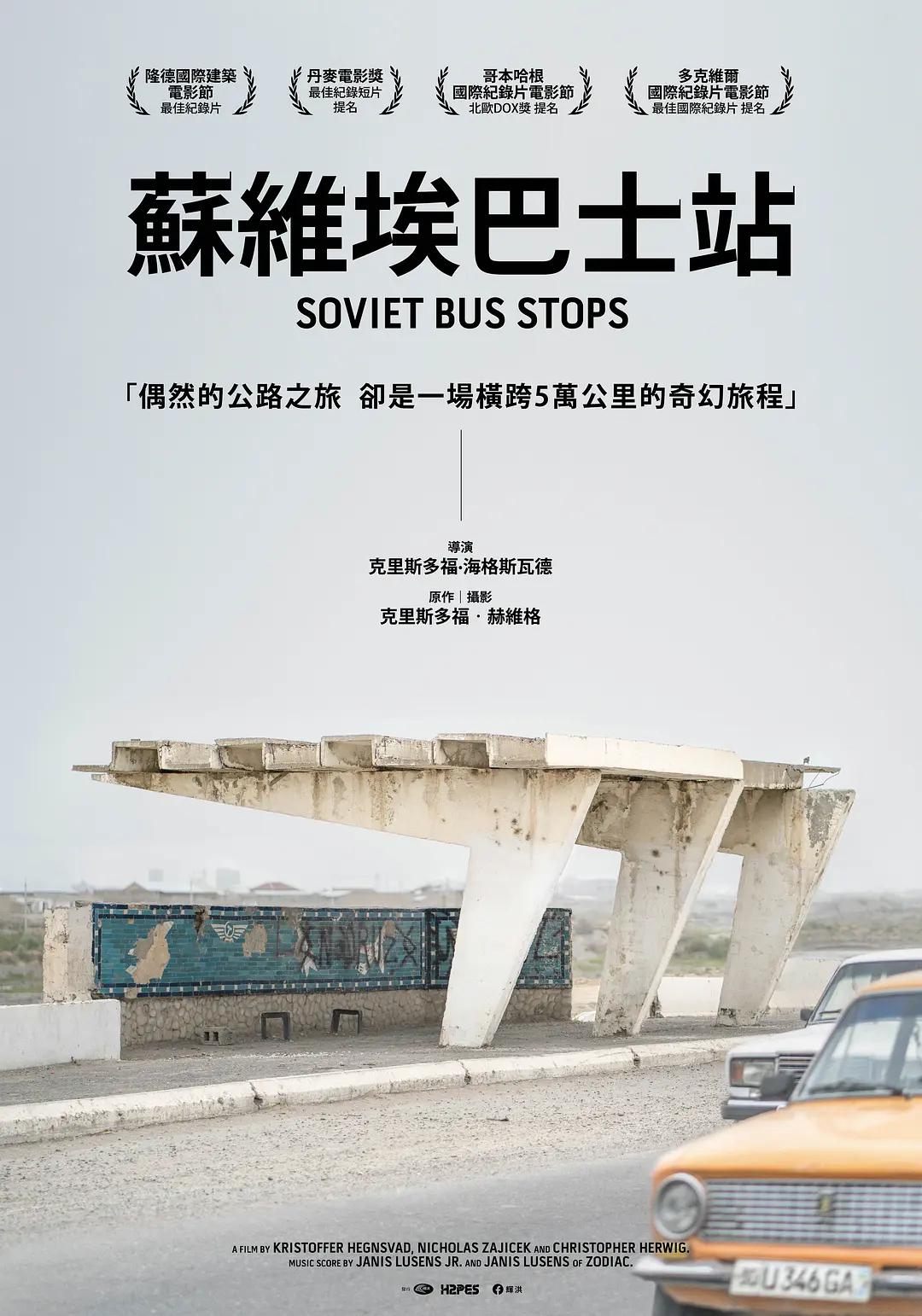
Uncovering the stories of the designers who built fascinating architectural marvels during the Soviet regime, Soviet Bus Stops is an ode to the power of individual creativity that would not be suppressed.
自驾探险是一个国家综合国力发达的重要标志,探险精神则是一个国家青年人活力的体ccc。2018年夏,中国自驾探险家田小禾(别名荒野熊队),同中国科学院刘少创博士,带领着一群年轻的探险者,驱车深入偏远的俄罗斯西伯利亚大丛林,对勒拿河的源头找寻工作发起挑战。夏季的西伯利亚暴雨如注,沼泽、深水、河道交错横行,灌木丛林密布,这是一个连俄罗斯当地装甲车都望而却步的魔鬼地带。进击源头的第一天探险队就被迫弃车,然而这只是一个开始……探险队能否最终找到源头,从而为薄弱的中国探险贡献力量……
在中国北方的高原上,黄河画出一个硕大的“几”字,拥抱着一片古老的土地;七万至十四万年前,河套人曾生活在这里;八百年前,这里留下了一代天骄成吉思汗最后的故事。这里也是草原文化与中原文化碰撞、交融的地方,各民族共同创造了绚丽多姿、异彩纷呈的非物质文化遗产。这里是鄂尔多斯... 由鄂尔多斯文旅局出品,中经全媒体承制的三集国家非遗文化纪录片《非遗鄂尔多斯》将在中央电视台纪录片频道(CCTV-9)播出,本片共分为三集: 第一集——《草原之魂》,聚焦鄂尔多斯非物质文化中的祭祀文化,从历史中寻觅鄂尔多斯文化深邃、神圣的精神品质。 第二集——《大地之情》,聚焦鄂尔多斯婚礼,呈现鄂尔多斯蒙古族民俗文化蕴含的丰富的情感世界。 第三集——《天籁之音》,聚焦鄂尔多斯博大精深的歌舞文化,透过鄂尔多斯民歌,展现鄂尔多斯独特的地域风情和人文蕴藉。 该片围绕鄂尔多斯婚礼、成吉思汗祭典、鄂尔多斯短调民歌、漫瀚调、鄂尔多斯古如歌、察干苏力德祭6项国家级非物质文化遗产,讲述了多位非遗传承人薪火相传的动人故事。
暂无简介
趣美术馆,法国著名喜剧演员为世界名画带来全新的演绎,展现名画背后的奇闻异事。
The Power of Emotion explains that emotion isn't to be confused with sentimentality. Emotion is ancient and more powerful than any art form. The film looks at young couples who run into difficulties as they try to translate their experiences of love into clear decision-making. A woman who has shot her husband provides a judge with a puzzle. Those who love can bring the dead back to life by means of co-operation. That's the focus of the opera, "The Power Plant of Emotions" and the "Opera of the 20th Century" cinema. Alexander Kluge: The Power of Feeling When I started working on The Power of Feeling, I was not in a rational state. I did not say, I have a subject and now I will make a film about it. Instead I was spellbound and observed in my direct surroundings, for example, how feelings move. I have not really dealt with the theme of my mother's death and the fact that she was the one who taught me "how feelings move." Nor have I dealt with how she died. That was an entire palette of feelings: "All feelings believe in a happy end," and everyone believes tacitly that they will live forever: The entire palette is somehow optimistic, a positive attitude towards life having been put on the agendaas long as she was young, as long as her body held out, from one day to the next she collapsed. She just suddenly collapsed, like in an opera where disaster takes the stage in the fifth act. It felt as if I had observed an air raid or a disaster. The film The Power of Feeling is not about feelings, but rather their organization: how they can be organized by chance, through outside factors, murder, destiny; how they are organized, how they encounter the fortune they are seeking.What is all this organization of feelings about? Generally feelings tend to be a dictatorship. It is a dictatorship of the moment. The strong feeling I am having right now suppresses the others. For thoughts this would not be the case. One thought attracts others like a magnet. People therefore need affirmation by other people to be sure about their own feelings (to counteract the acquisition of their feelings through outside forces). Through the interaction of many people, for example, in public, the various feelings also have a magnetic attraction to one another just like thoughts do. Feelings communicate through their manifestation in public. The cinema is the public seat of feelings in the 20th century. The organization is set up thusly: Even sad feelings have a happy outcome in the cinema. It is about finding comfort: In the 19th century the opera house was the home to feelings. An overwhelming majority of operas had a tragic end. You observed a victim. I am convinced that there is a more adventuresome combination: Feelings in both the opera and traditional cinema are powerless in the face of destiny's might. In the 20th century feelings barricaded themselves behind this comfort, in the 19th century they entrenched themselves in the validity of the lethal seriousness.